AI Scams to Watch Out for in the UK: The 2026 Guide
AI scams are familiar frauds made far more convincing by artificial intelligence. In the UK, the biggest threats in 2026 are voice cloning calls, deepfake videos, AI-generated fake shops and personalised phishing messages. Nearly half of British adults now struggle to tell real offers from fakes, according to National Trading Standards, which launched an AI Scam Watchlist in September 2026.
How AI supercharged old scams
Here is the uncomfortable truth. AI has not invented new scams. It has supercharged the old ones.
National Trading Standards says shopping, holiday, investment and romance scams are now more convincing, more personalised and easier to run at scale. Criminals need far less technical skill than before. A convincing fake shop, a cloned voice or a deepfake video can be produced in hours.
The numbers show how serious this is. In a September 2026 survey of 2,000 UK adults, 47% said they struggle to tell genuine offers from AI fakes. Almost a quarter feel overwhelmed by how sophisticated scams have become. And 19% now avoid certain online activities because of fraud fears.
The techniques worrying Britons most are fake websites, voice cloning, deepfake video, AI-generated images and digital humans. The watchlist also names nine tools in the criminal toolkit: digital humans, deepfake video, AI-generated images, AI-generated messages, voice cloning, AI chatbots, poisoned AI search, AI-generated websites and fake reviews.
Voice cloning scams
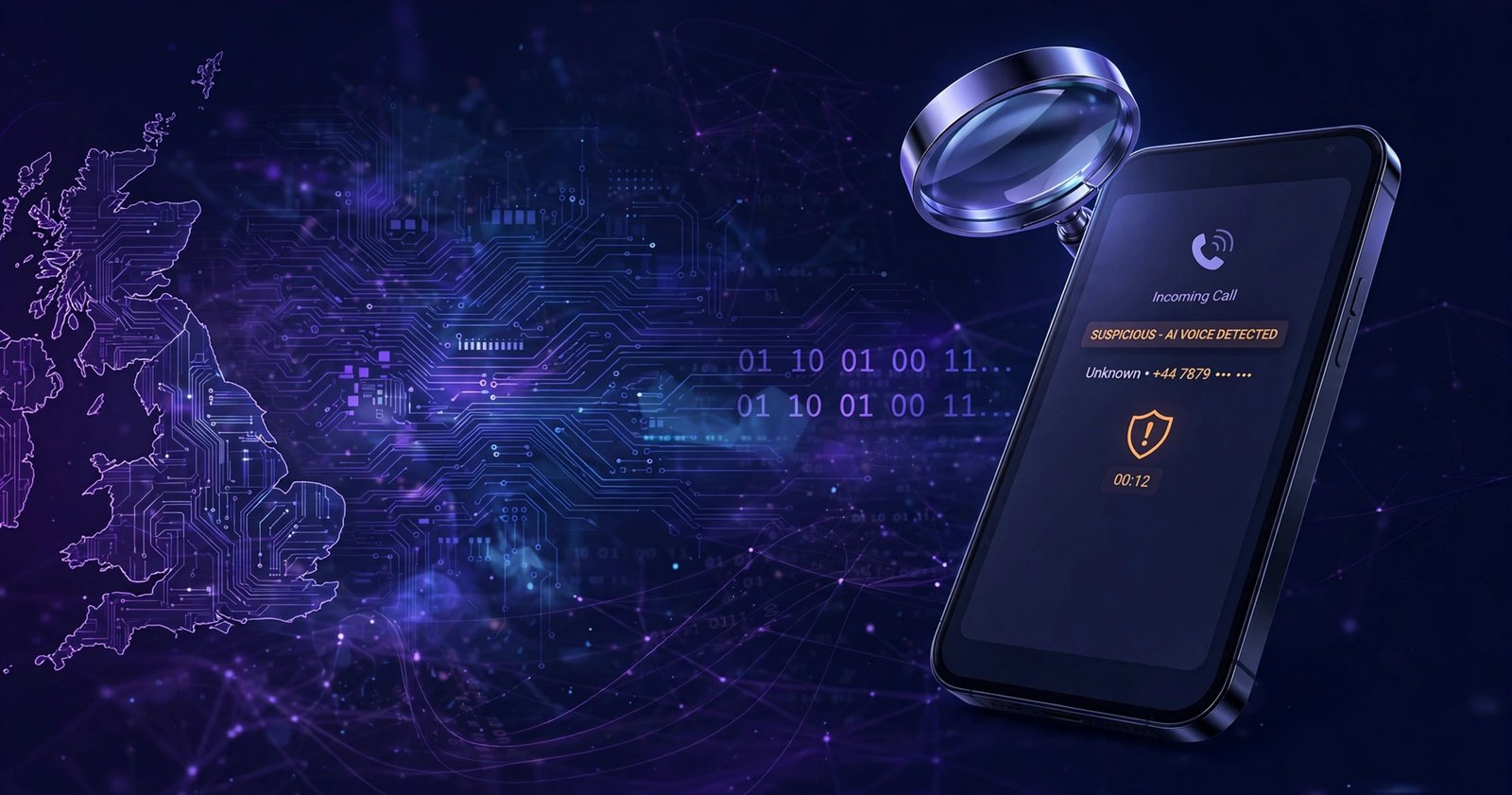
Voice cloning is one of the most personal AI scams. Criminals take a short clip of someone’s voice, sometimes from a voicemail or a social media video, and use AI to generate new speech that sounds just like them.
The classic version is the “Hi mum” scam. You get a call or voice message that sounds exactly like your child or grandchild. They are in trouble. They need money urgently. The voice is so convincing that many people never question it.
There is a simple defence. Agree a code word with your family now, before anything happens. If a caller claims to be a relative in an emergency, ask for the code word. A scammer cannot guess it.
Also watch for calls claiming to be your bank. Real banks will never rush you or ask for your full PIN or password. If a call feels wrong, hang up and dial 159. That number connects you to your bank’s fraud team in the UK.
Deepfake video scams
Deepfakes are AI-generated videos that put a real person’s face and voice into scenes that never happened. Scammers use them to impersonate celebrities in fake investment ads on social media. They also use them in video calls, posing as a boss or a business partner asking for an urgent payment.
The newest worry is “digital humans”: AI-generated people in social media videos who can interact with viewers in real time. National Trading Standards lists them among the top five techniques consumers fear most.
How do you spot one? Look for unnatural blinking, odd mouth movements and mismatched lighting on the face. Be suspicious of any video pushing a “guaranteed” investment or a once in a lifetime deal. And always verify through a separate, trusted channel. If your boss asks for money on a video call, message them on a different app before you act.
AI-generated fake shops and ads
AI can now clone a trusted website or build a polished new shop in rapid time and at low cost. The product photos look real because they are AI-generated. The reviews look genuine because AI wrote hundreds of them. The prices are just low enough to tempt you.
Shopping scams top the watchlist’s list of the ten fraud types being supercharged by AI. Others include travel and ticket scams, where fake booking sites take payment for holidays that do not exist.
Protect yourself with these checks:
- Look up the business on Companies House. A real UK company should be listed there.
- Search for the shop’s name plus the word “scam” or “reviews”. Check independent review sites, not just the reviews on its own pages.
- Never pay by bank transfer for an online purchase. Pay by credit card where you can. Card payments give you protection that bank transfers do not.
- Be careful with AI search results too. Criminals can “poison” the data AI systems use, pushing fake websites to the top of results.
AI job and investment scams
Job scams are booming. AI writes flawless, personalised recruitment messages at scale. The “employer” interviews you over chat, offers a great salary, then asks for a fee for training or equipment. Real employers never ask you to pay to get hired.
Investment scams use celebrity deepfakes to promote fake trading platforms. The ad looks like a famous face endorsing a scheme on a real news site. The site is fake. Your deposit goes straight to criminals.
Then there are recovery scams. If you have lost money to fraud, anyone who contacts you offering to get it back for a fee is almost certainly a scammer. Report them instead.
Romance scams deserve a mention too. AI chatbots can hold natural conversations, answer questions and build trust over weeks. They are patient, polite and completely fake. Never send money to someone you have never met in person.
How to verify anything suspicious
Most AI scams fail if you slow down. Pressure is the scammer’s best weapon. Use this checklist before you trust, click or pay:
- Pause. Urgency is a red flag. Real businesses give you time.
- Contact them directly. Look up the company’s real number yourself and call it. Never use the number in the suspicious message.
- Use your code word. Ask a family caller for the word you agreed in advance.
- Inspect links. Hover over them on a computer. Look for misspelt domains and odd endings.
- Check outside the message. Search the company, the offer and the phone number independently.
- Guard payments. Never send money by bank transfer to someone you cannot verify. Prefer credit cards for purchases.
Good general habits help too. Our small business cybersecurity checklist covers the basics like strong passwords and multi-factor authentication, which protect you even when a scammer gets your details. Our broader guide on how to defend, detect and adapt in the digital age explains the mindset behind staying safe online.
Where to report in the UK
Reporting matters. Every report helps enforcement agencies map how these scams work. Here is where to go:
- Report Fraud: reportfraud.police.uk or call 0300 123 2040. This is the UK’s national reporting centre for fraud.
- Suspicious texts: forward them free to 7726. This helps mobile networks block scam numbers.
- Suspicious emails: forward them to report@phishing.gov.uk.
- Bank impersonation: hang up and call 159 to reach your bank’s fraud team.
- Consumer advice: call the Citizens Advice consumer helpline on 0808 223 1133 (Advice Direct Scotland on 0808 164 6000 in Scotland).
If you feel unsafe or a crime is in progress, call the police.
FAQs
What is the most common AI scam in the UK right now?
Shopping scams top the list. AI lets criminals build convincing fake shops with AI-generated product photos and fake reviews in very little time. Investment scams using celebrity deepfakes and voice cloning calls impersonating family members are also widespread.
Can AI really clone my voice from a short clip?
Yes. Modern voice cloning needs only a few seconds of audio. Clips from voicemails, video calls or social media posts can be enough. That is why agreeing a family code word in advance is one of the strongest defences.
How can I tell if a video is a deepfake?
Look for unnatural blinking, strange mouth movements and lighting on the face that does not match the background. But deepfakes keep improving, so do not rely on your eyes alone. Verify the claim through a separate trusted channel before you act on it.
What should I do if I already sent money to a scammer?
Act fast. Contact your bank immediately and ask about recalling the payment. Report it to Report Fraud at reportfraud.police.uk or on 0300 123 2040. Keep all messages and screenshots as evidence. And ignore anyone who offers to recover your money for a fee.
Are AI scams new types of fraud?
Mostly not. National Trading Standards says AI is supercharging existing scams rather than creating new ones. Shopping, romance, investment and job fraud all existed before. AI just makes them more convincing, more personal and easier to scale.
The bottom line
AI has made scams harder to spot, but the defences have not changed much. Slow down. Verify through a channel you trust. Use a family code word. Pay by card, not bank transfer. And report anything suspicious.
Scammers count on speed and panic. You beat them with patience and a few simple checks. Share this guide with the people you worry about most. According to the research, 79% of us are worried about a vulnerable friend or family member falling for one of these scams. A short conversation today can prevent a painful loss tomorrow.